









Turn-Key Biodegradable Plastic Manufacturing

USING PROVEN SUSTAINABLE TECHNOLOGY TO MAKE REAL IMPACT ON THE PLANET

0 %

Negative Environmental Impact

0 %

Microplastics

0 %

Plastic Fragmentation

0 %

Extra Treatment Required

WHAT ARE THE STAGES OF BIODEGRADATION?

1: The technology’s biodegradable master-batch is added at the manufacturing stage.

2: The film containing the technology is extruded, and then converted into the item being produced.

3: The product behaves like conventional plastic during its intended service life.

4: After its service life, the plastic item may be recycled if collected. If it ends up in the open environment, the technology takes effect and the product begins to degrade in the presence of oxygen and sunlight. The product will then biodegrade in a continuous, irreversible and unstoppable process leaving nothing more than carbon dioxide, water and biomass behind – no heavy metals or other toxic residues.


STANDARDS:

  • British Standard 8472
  • American ASTM D6954
  • United Arab Emirates Standard 5009:2009
  • French Accord T51-808
  • Saudi Standard SASO 2879
  • Mexican Standard NMXE-E-288-NYCE
  • And more…

ADDED VALUE:

  • Suitable for food contact*
  • Requires only 1% inclusion rate.
  • Works with virgin and recycled plastic.
  • Works with PE, PP, HDPE and LDPE..
  • No change in the manufacturing process.
  • And more…
…there is no difference in how the plastic feels or behaves once it has been produced with the technology, including the shelf life of the product, that will remain in tact.
The only difference in behaviour of the item is when it rests in the open environment, that’s when the biodegradation process commences. Once it’s degraded, there are no microplastics left behind…this technology eliminates the plastic issue we face today.”
Ben,
Managing Director of The Greener Technology Group

Biodegradable Plastic Manufacturing

The Future of Safe Packaging in Australia and the Rise of Material Verification Programs

The Future of Safe Packaging in Australia and the Rise of Material Verification Programs

Safe packaging in Australia is entering a new era. Verified material standards and global product passport programs are reshaping how packaging is designed, certified and approved for market access.
The Rise of Biodegradable HDPE and LDPE in Global Supply Chains and What It Means for Australia

The Rise of Biodegradable HDPE and LDPE in Global Supply Chains and What It Means for Australia

Global supply chains for high density and low density polyethylene are rapidly shifting toward certified biodegradable alternatives. Australia must align its industry to remain competitive.

The Economics of Biodegradability. Why Sustainable Materials Are Now a Competitive Advantage

The Economics of Biodegradability. Why Sustainable Materials Are Now a Competitive Advantage

Biodegradability has become a financial advantage. Verified sustainable materials reduce long-term risk, meet ESG standards and deliver measurable value in a circular economy.

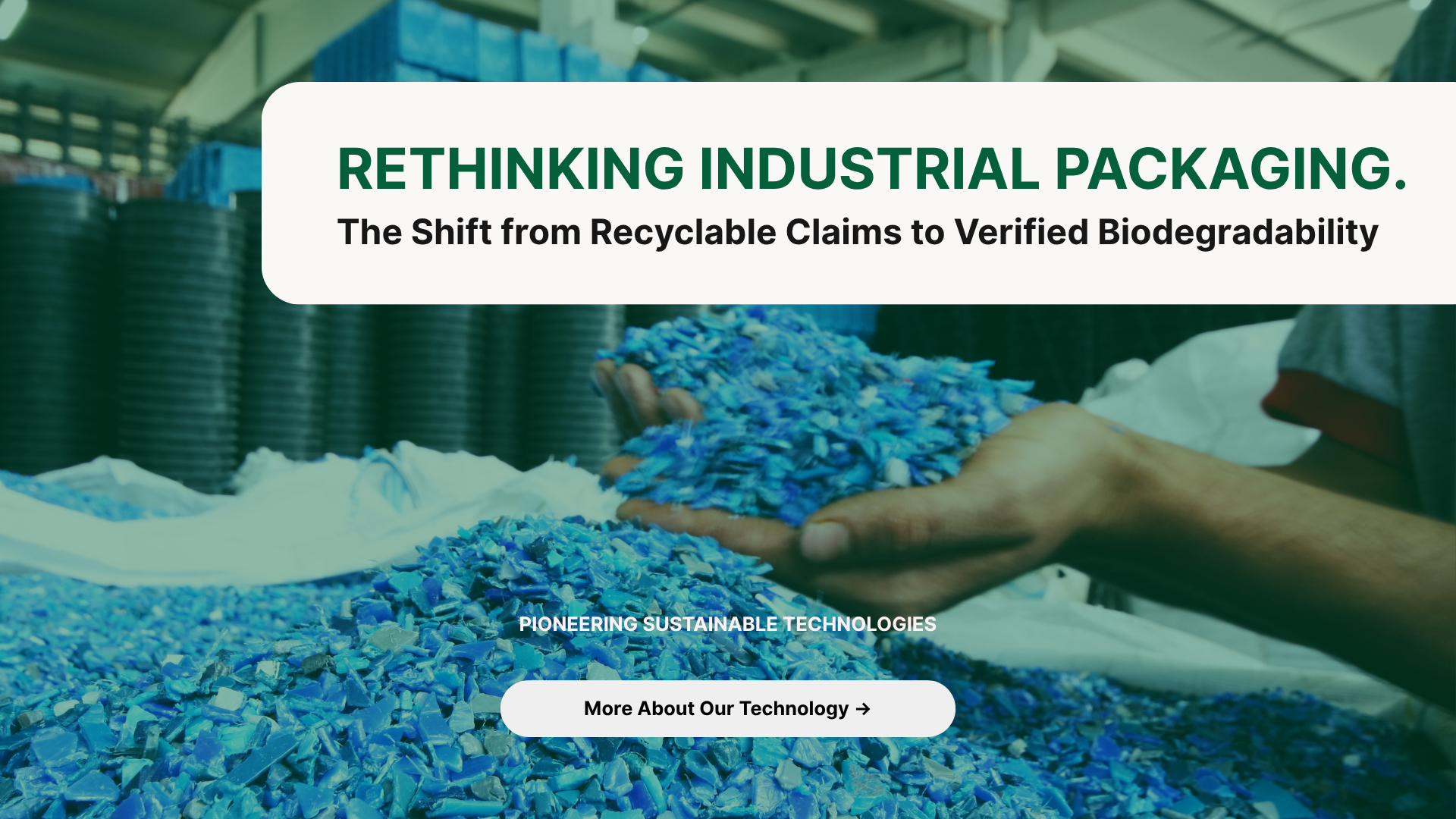
Rethinking Industrial Packaging. The Shift from Recyclable Claims to Verified Biodegradability

Rethinking Industrial Packaging. The Shift from Recyclable Claims to Verified Biodegradability

Industries are replacing recyclable claims with verified biodegradability. Certified materials that fully decompose in landfill now define real sustainability performance and compliance.

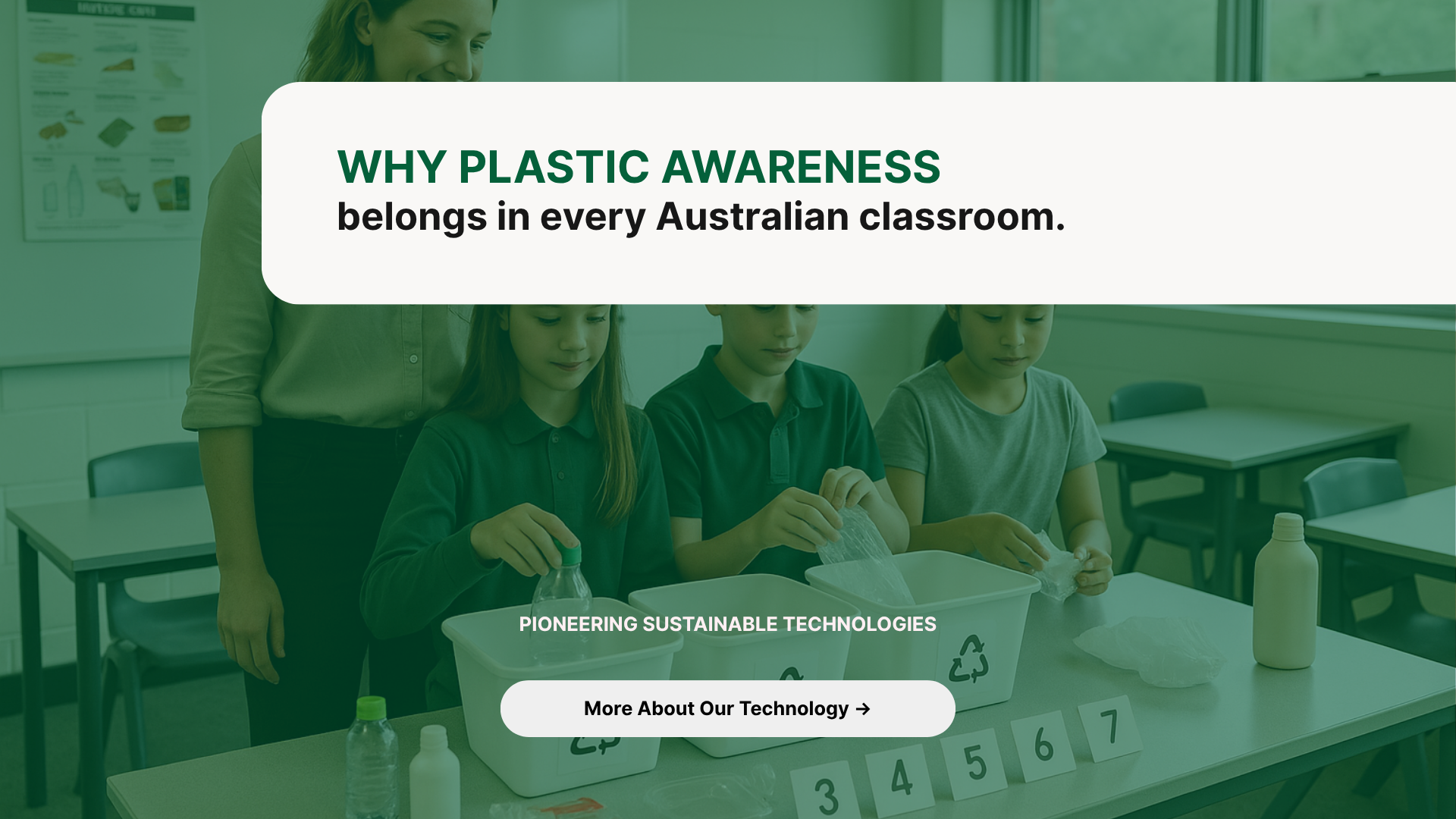
Why plastic awareness belongs in every Australian classroom.

Why plastic awareness belongs in every Australian classroom.

Australian classrooms are ideal places to build plastic awareness. Clear lessons on recycling codes, health impacts and safer materials help students reduce waste and choose biodegradable options with confidence.

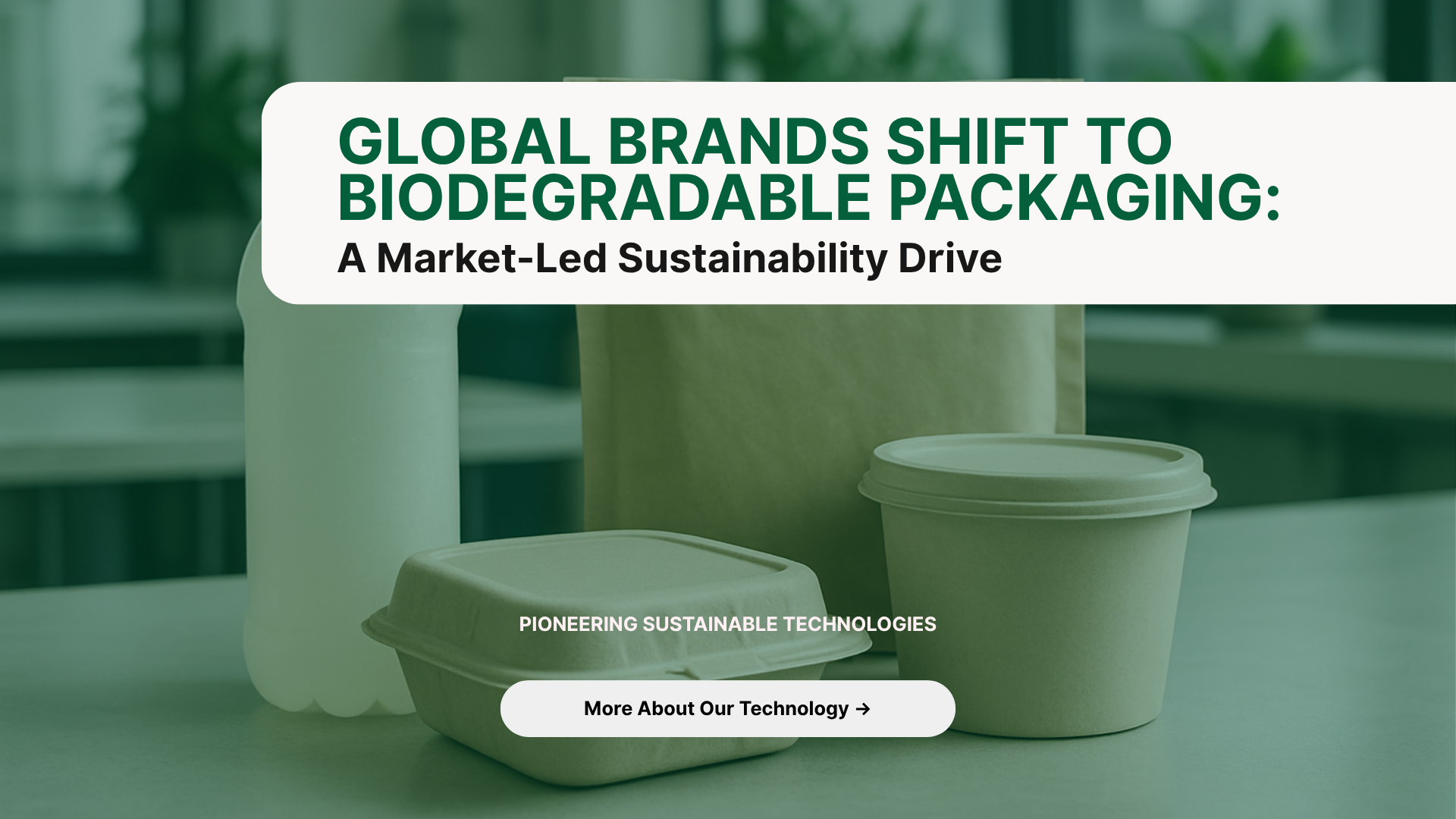
Global Brands Shift to Biodegradable Packaging: A Market-Led Sustainability Drive

Global Brands Shift to Biodegradable Packaging: A Market-Led Sustainability Drive

Global brands are replacing traditional plastics with certified biodegradable HDPE and LDPE to meet rising regulatory pressure and consumer demand for sustainable packaging.