What Plastic Free July Reveals About Australian Consumer Behaviour
New Plastic Free July and Cleanaway 2026 data show Australian consumers now expect national recycling consistency and recycled content rules, not just voluntary goodwill.

New Plastic Free July and Cleanaway 2026 data show Australian consumers now expect national recycling consistency and recycled content rules, not just voluntary goodwill.
Synthetic clothing sheds microplastic fibres with every wash. Verified 2025 research links this to human tissue exposure, while global policy responses, including France’s filter mandate, remain a work in progress.
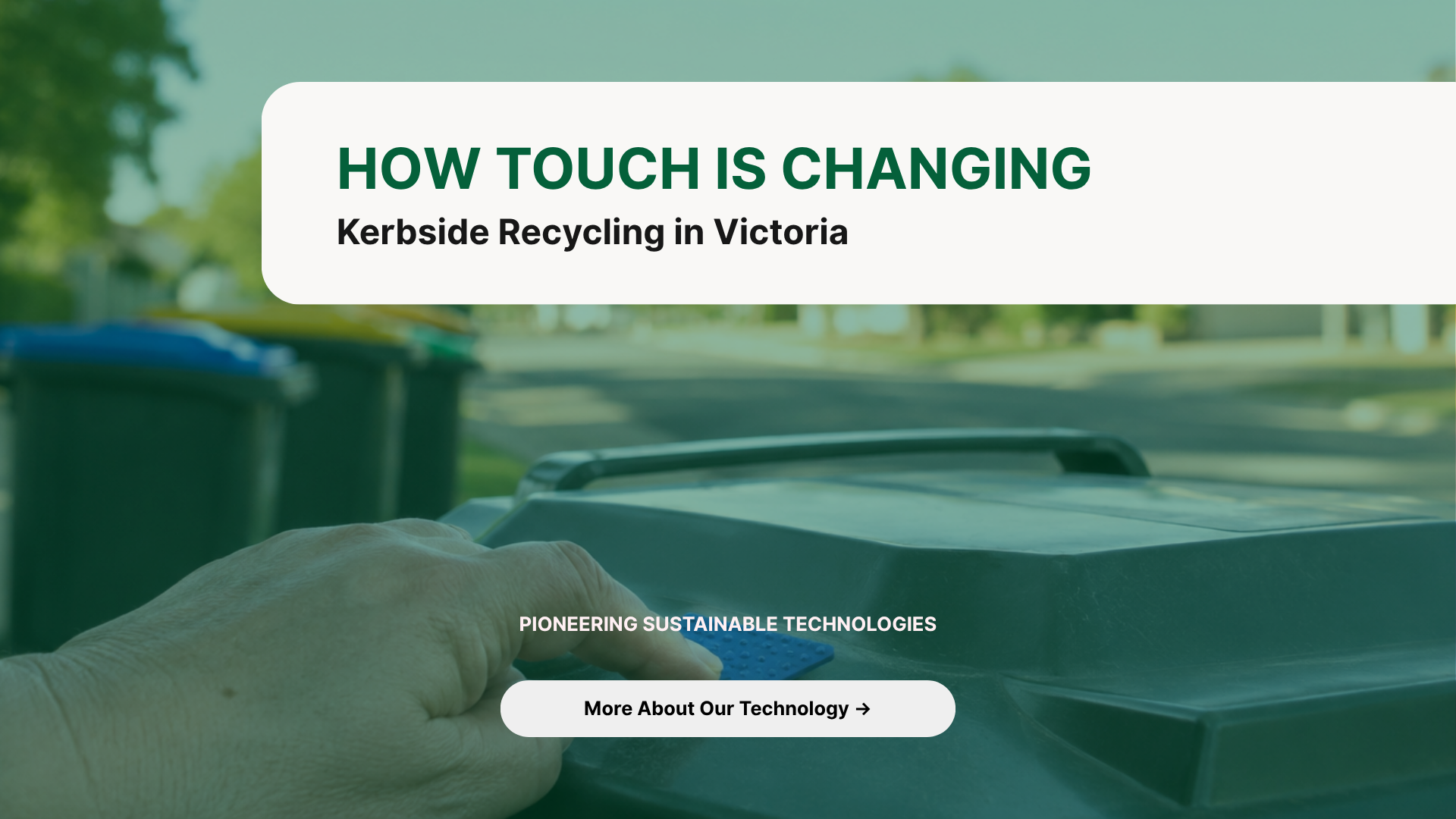
Bass Coast Council’s free tactile bin symbols, made from recycled polypropylene, help Australians who are blind or have low vision sort waste correctly. A small design fix with significant sustainability implications.
Spain’s binding plastic laws are reshaping packaging regulation across Europe. Australia’s missed packaging targets highlight why stronger national reforms are now under development.
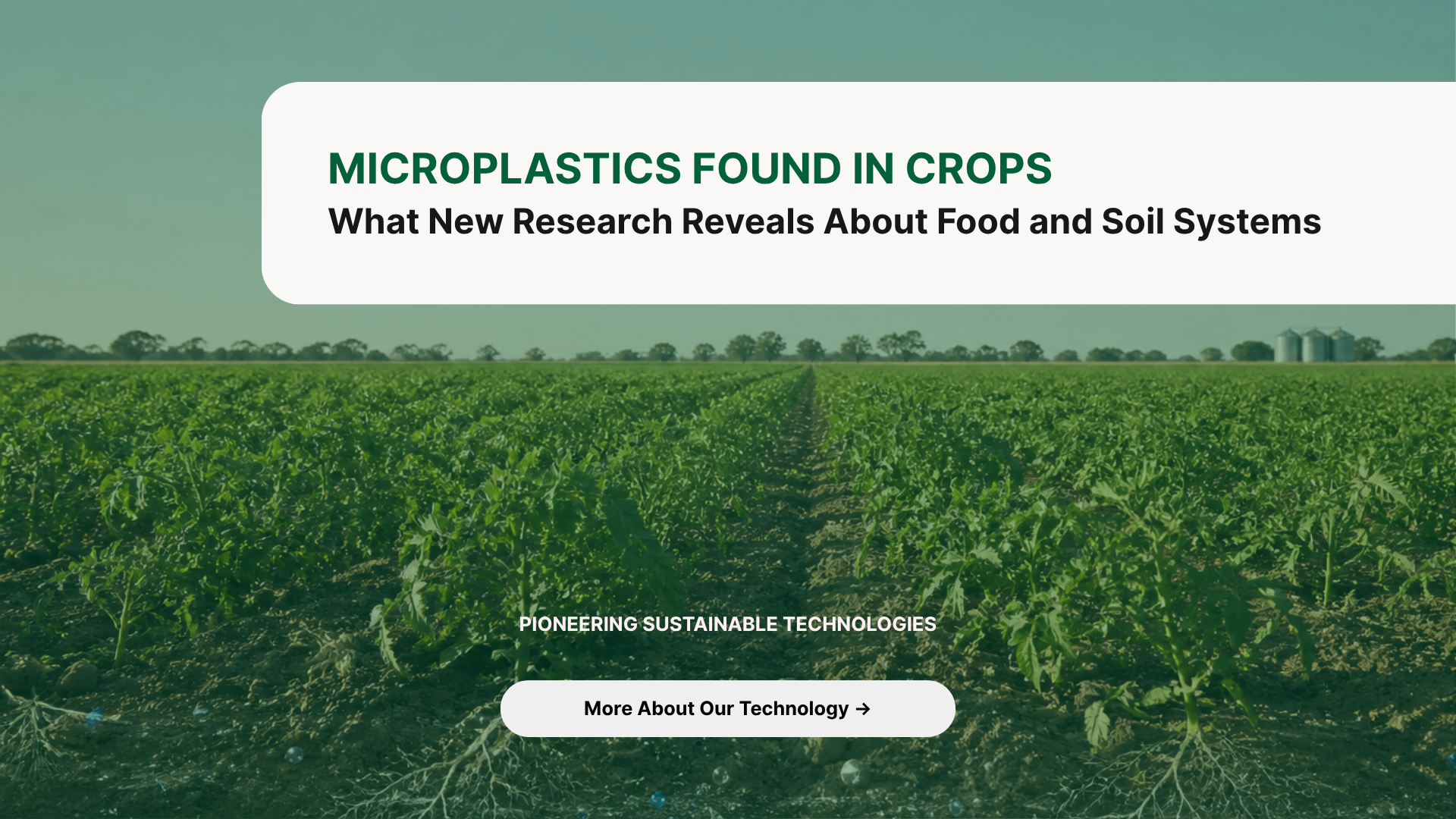
New research confirms plastics can enter crops like wheat and tomatoes. Scientists found microplastics in plant tissue, raising concerns about food systems and human exposure.
Pacific Islands tourism is moving to eliminate single use plastics by 2035. New frameworks are reshaping procurement, sustainability standards and regional competitiveness.
New Plastic Free July and Cleanaway 2026 data show Australian consumers now expect national recycling consistency and recycled content rules, not just voluntary goodwill.
Synthetic clothing sheds microplastic fibres with every wash. Verified 2025 research links this to human tissue exposure, while global policy responses, including France’s filter mandate, remain a work in progress.
New research confirms plastics can enter crops like wheat and tomatoes. Scientists found microplastics in plant tissue, raising concerns about food systems and human exposure.
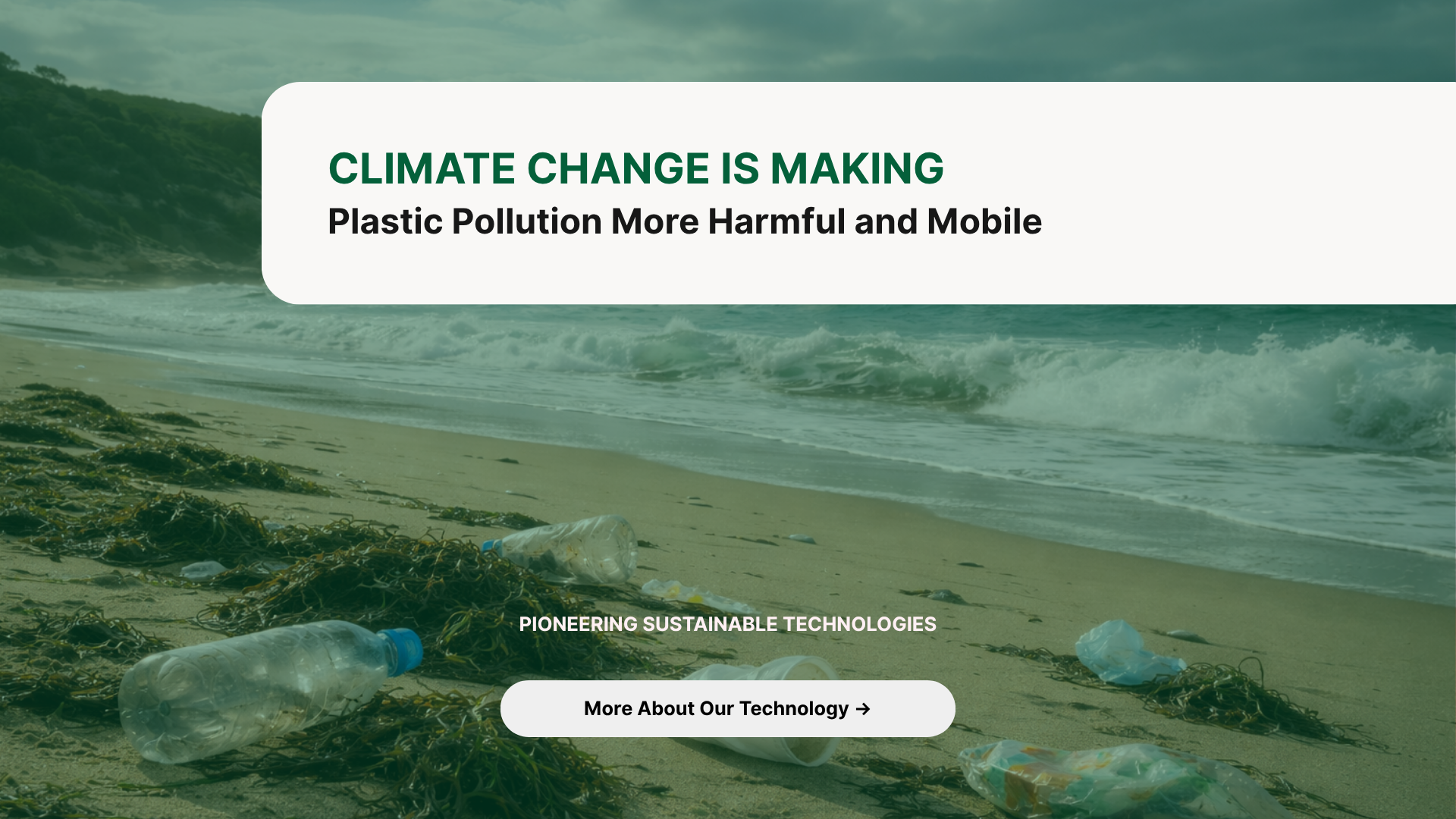
Climate change is intensifying plastic pollution, making it more mobile, persistent and harmful. New research shows how warming temperatures are accelerating environmental exposure risks.
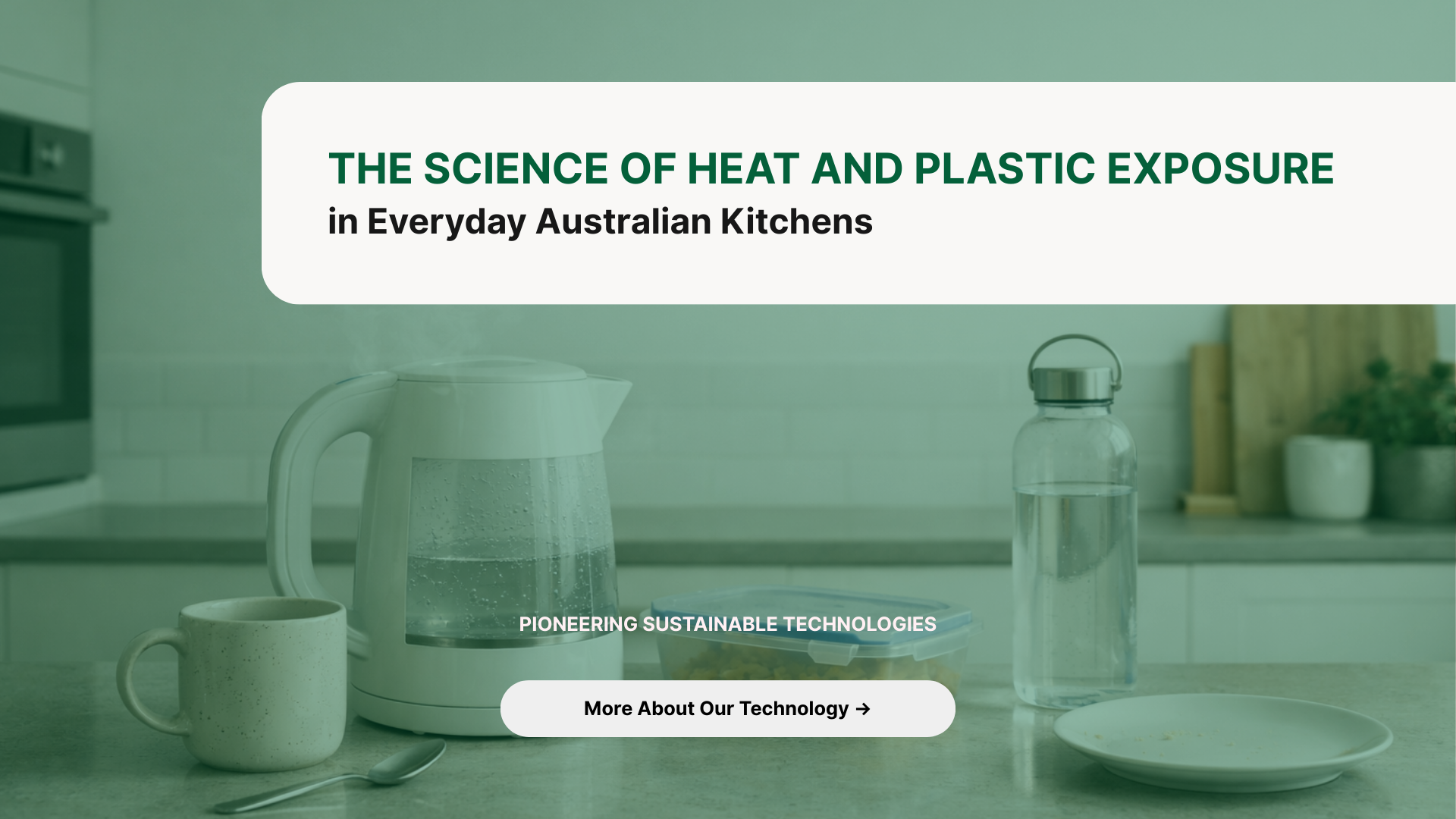
Heating plastic in everyday Australian kitchens is now linked to microplastic exposure. New scientific studies show how heat accelerates plastic particle release into food and water.
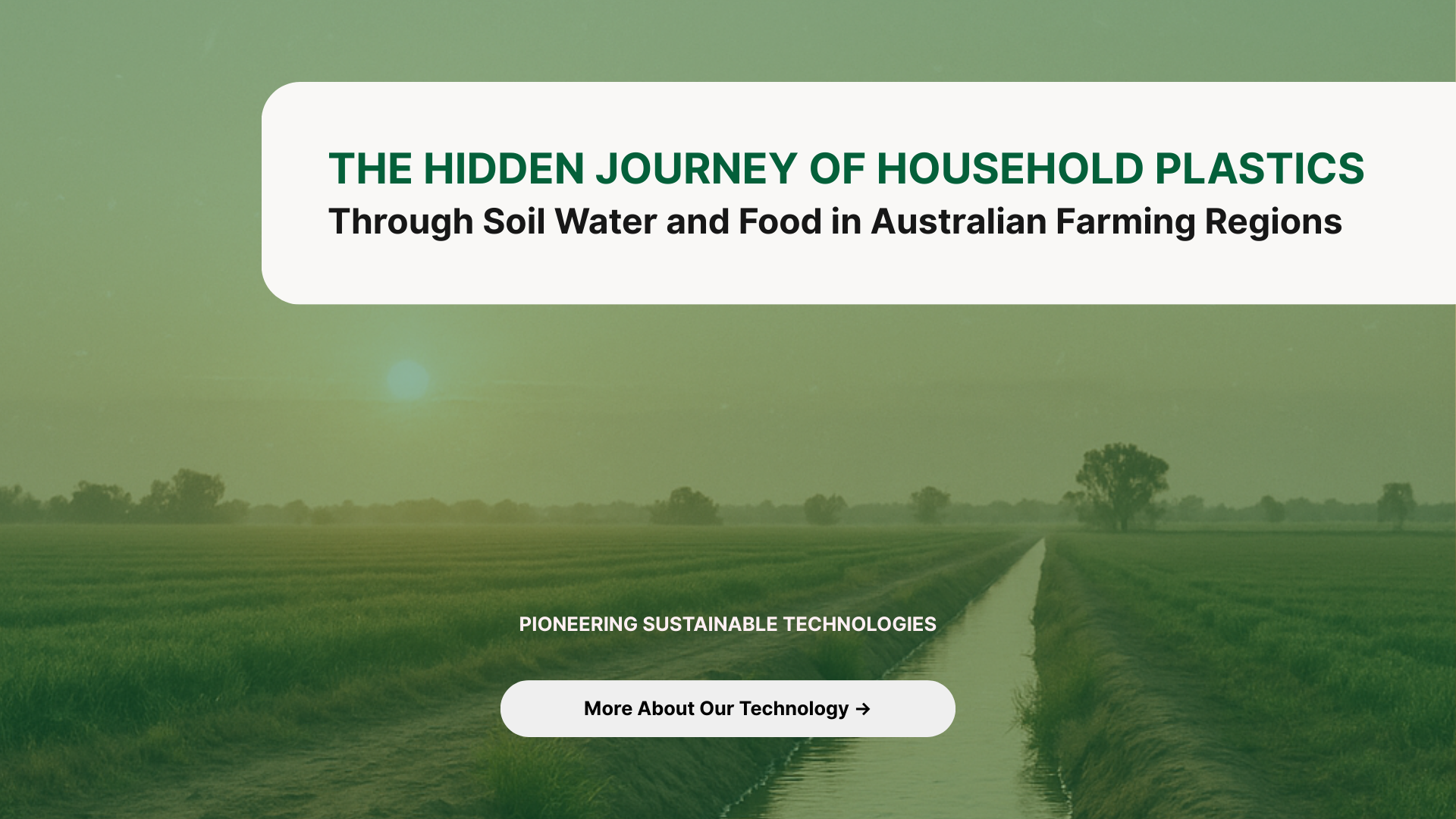
Microplastics and nanoplastics move through soil, water and food systems in Australian farming regions. Verified scientific evidence shows how these particles reach the environment and influence human health.
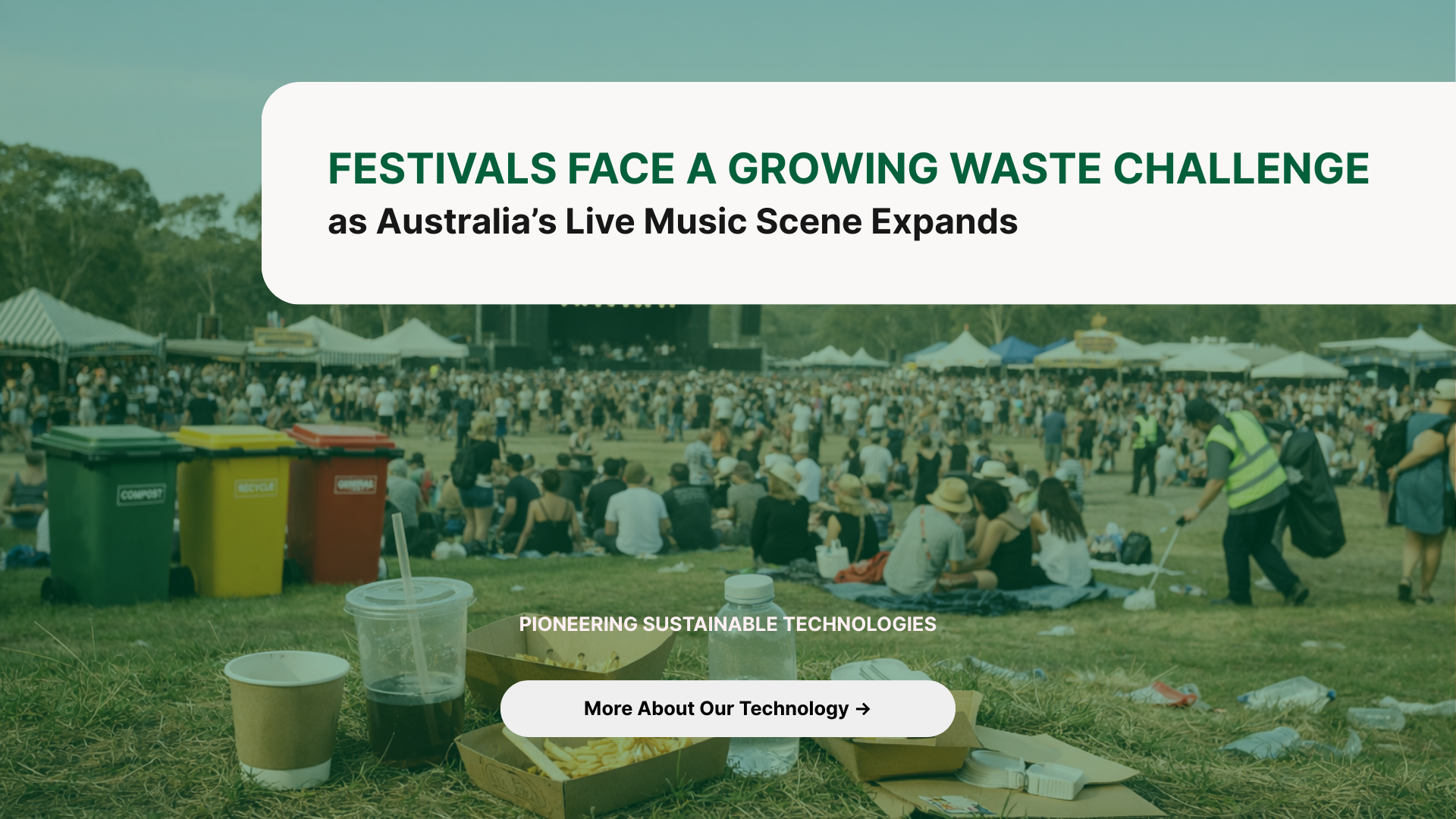
Australia’s live music festivals are growing rapidly, but waste volumes are rising faster. New reporting shows why packaging choices are now central to festival sustainability.
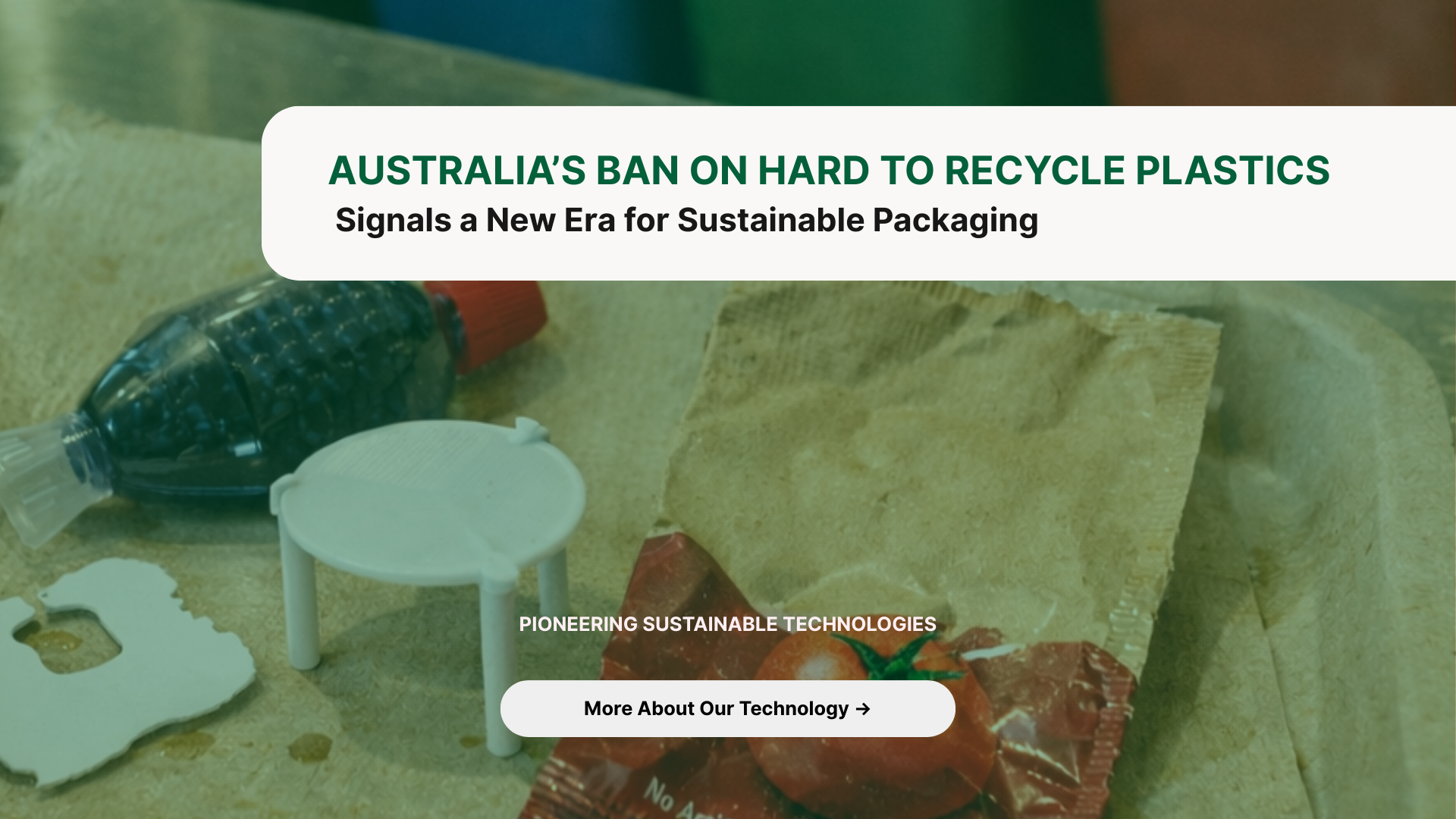
Australia will ban hard to recycle plastics by 2026. New national rules are reshaping packaging, accelerating material verification and increasing demand for biodegradable and enzyme based solutions.
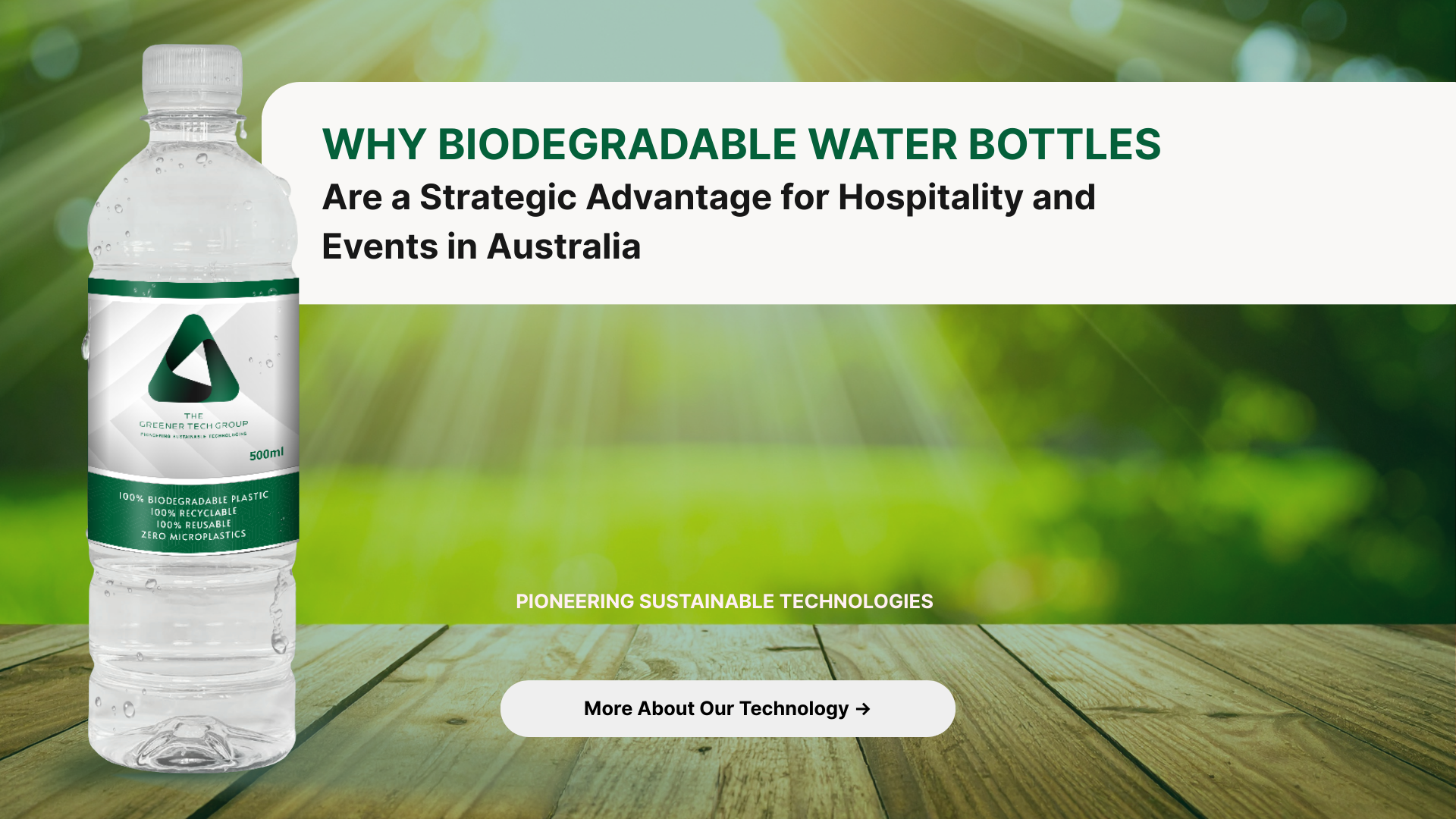
Hospitality and events in Australia are under pressure to reduce plastic waste. Biodegradable water bottles offer a verified solution that meets safety, compliance and sustainability expectations.

Safe packaging in Australia is entering a new era. Verified material standards and global product passport programs are reshaping how packaging is designed, certified and approved for market access.
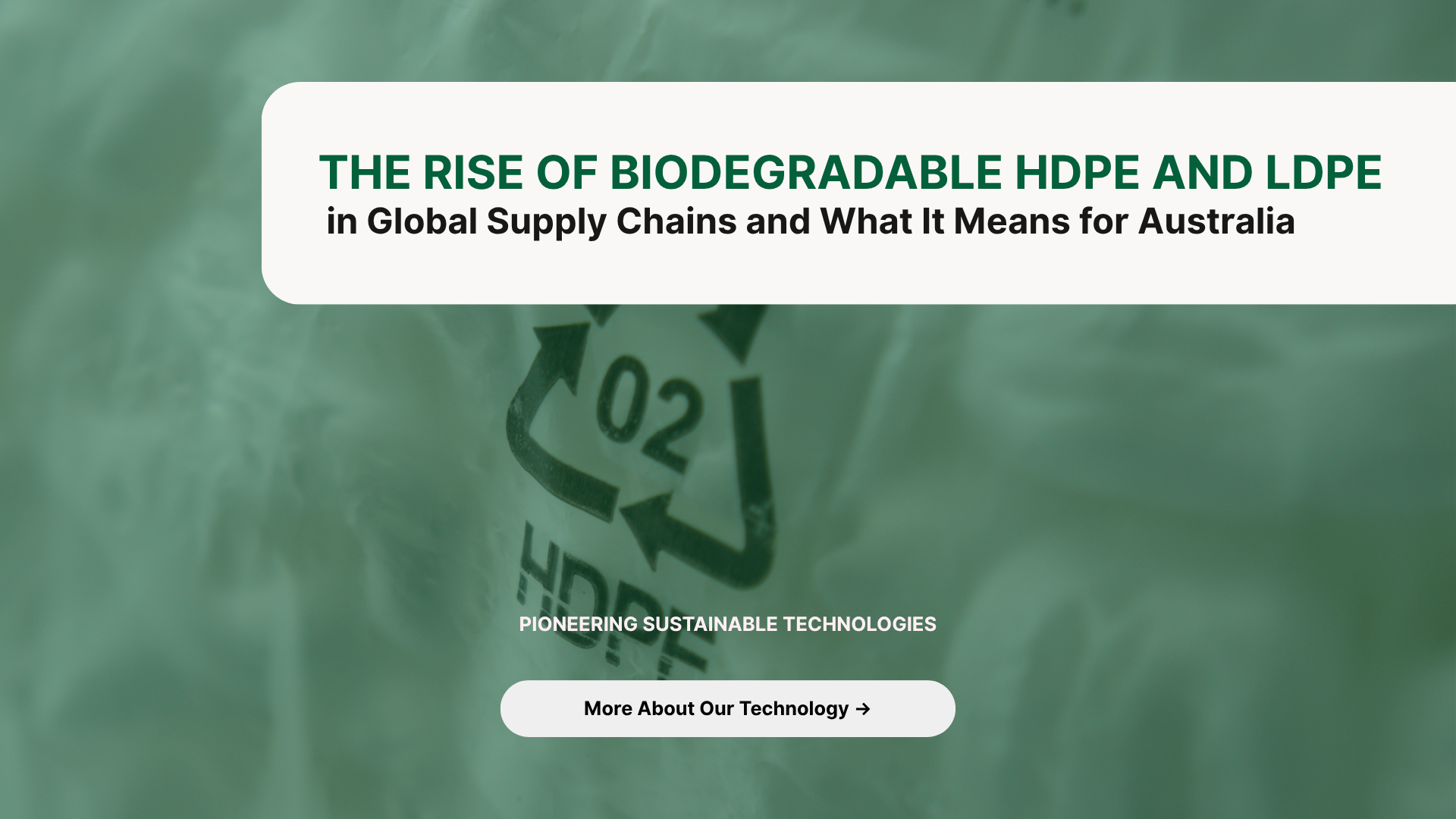
Global supply chains for high density and low density polyethylene are rapidly shifting toward certified biodegradable alternatives. Australia must align its industry to remain competitive.
Biodegradability has become a financial advantage. Verified sustainable materials reduce long-term risk, meet ESG standards and deliver measurable value in a circular economy.
Bass Coast Council’s free tactile bin symbols, made from recycled polypropylene, help Australians who are blind or have low vision sort waste correctly. A small design fix with significant sustainability implications.
Spain’s binding plastic laws are reshaping packaging regulation across Europe. Australia’s missed packaging targets highlight why stronger national reforms are now under development.
Pacific Islands tourism is moving to eliminate single use plastics by 2035. New frameworks are reshaping procurement, sustainability standards and regional competitiveness.
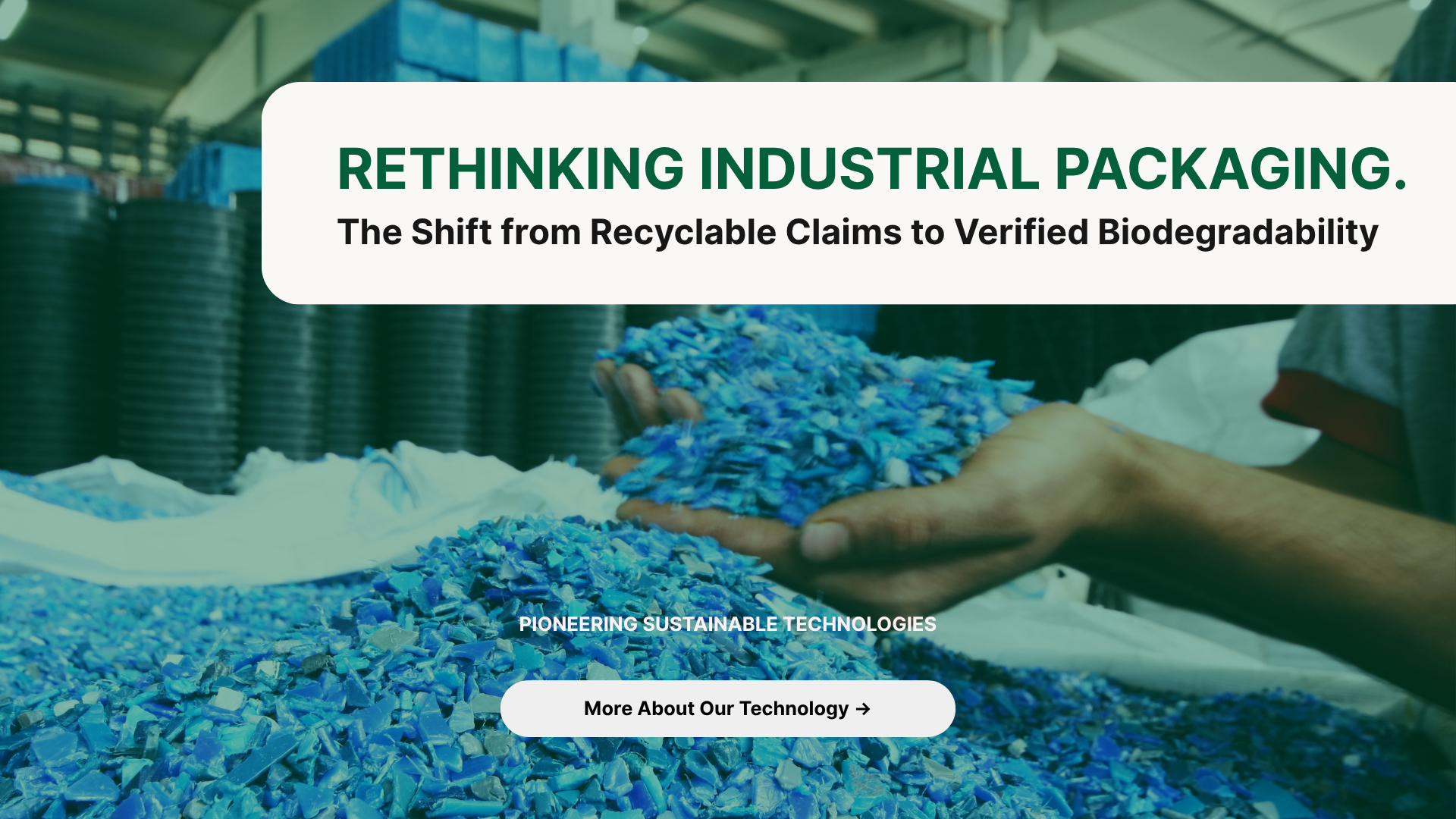
Industries are replacing recyclable claims with verified biodegradability. Certified materials that fully decompose in landfill now define real sustainability performance and compliance.
In 2025, consumer demand for plastic-free products hits record highs. Brands are shifting to biodegradable packaging as plastic recycling trust collapses and regulation increases.
New trade policies are favouring green technology. From import licences to global treaties, sustainability is now an economic advantage, not just a compliance requirement.